

For many people, the early signs of chronic illness are recognized too late. Symptoms are often overlooked, misunderstood, or accepted as part of everyday life. Limited access to reliable health information can delay diagnosis, making prevention and management more difficult than necessary.
Globally, 1.4 billion people live with hypertension, yet only one in five has it under control, according to the World Health Organization. In Kosovo, non-communicable diseases such as hypertension, diabetes, and asthma continue to place a growing burden on individuals, families, and the healthcare system.
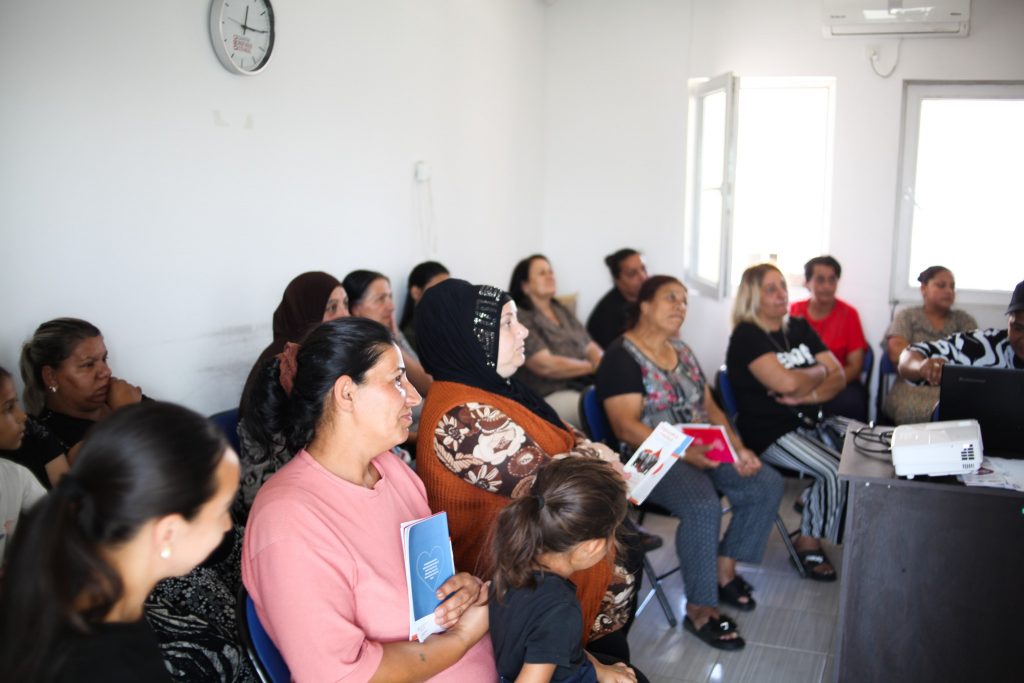
As part of efforts to improve early awareness and prevention, between September and December 2025, targeted awareness-raising sessions reached more than 1,600 citizens across Kosovo through 66 sessions. The focus was on chronic patients and smaller, underserved communities, with participants identified together with local medical staff. Chronic patients need ongoing care and timely information, while underserved communities often struggle to access reliable health guidance. These sessions helped bridge that gap, giving people the knowledge they need to recognize symptoms early, manage their conditions better, and improve their long-term health.
“The sessions are very important as they raise awareness and through them, we reach the most vulnerable categories, especially the Roma, Ashkali, and Egyptian community members, where they are more affected from diabetes and hypertension,” explains Mundësia, one of the organizations implementing the sessions.
The sessions also included people who are deaf, with donated blood sugar (glucose) monitoring devices provided to them on the International Day of Diabetes.
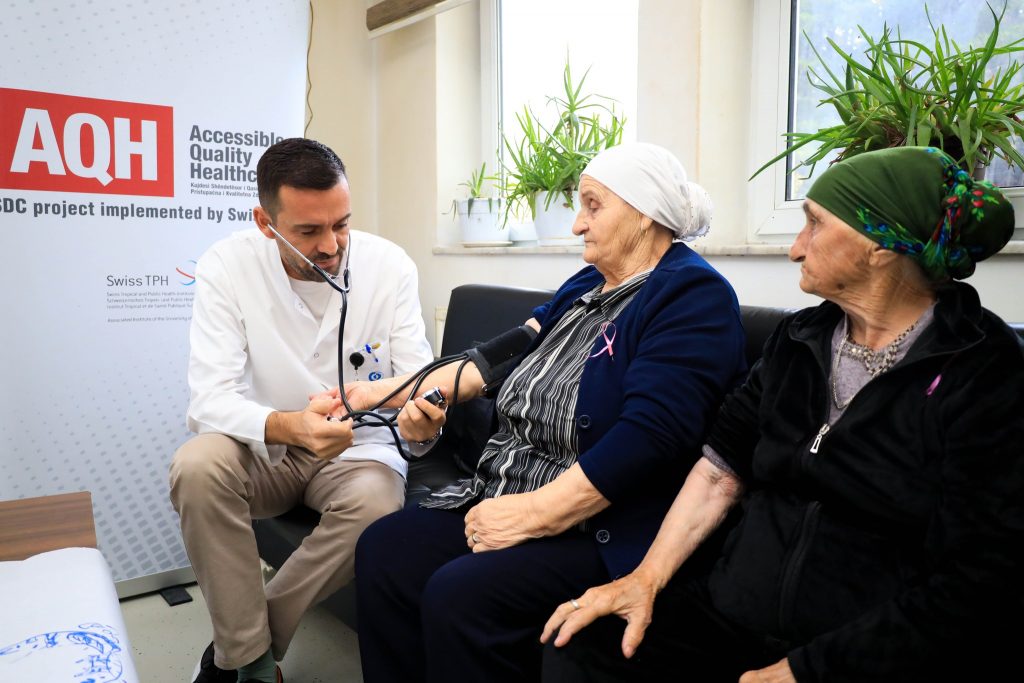
Led by family medicine doctors, the sessions emphasized clear, practical information. Participants discussed symptoms they were experiencing, learned how to recognize early warning signs, and received measurements that supported early detection and referral for further care when needed.
“When people understand their health risks early, they are more likely to make lasting, healthy changes. Education is one of the most effective tools that we have,” emphasized Dr. Pula, Family Medicine Doctor, conducting one of the awareness-raising sessions.
Participants didn’t just receive health information, they also learned practical skills. Doctors showed them how to measure blood pressure and blood sugar at home, explained how often to check, and emphasized the importance of regular follow-ups, making them feel more confident in managing their health and preventing complications.
“I learned to recognize the symptoms of diabetes not only for myself, but also for my family. When I noticed similar signs in my father, I knew how to measure his blood sugar and take him to a doctor,” noted a participant of these sessions.
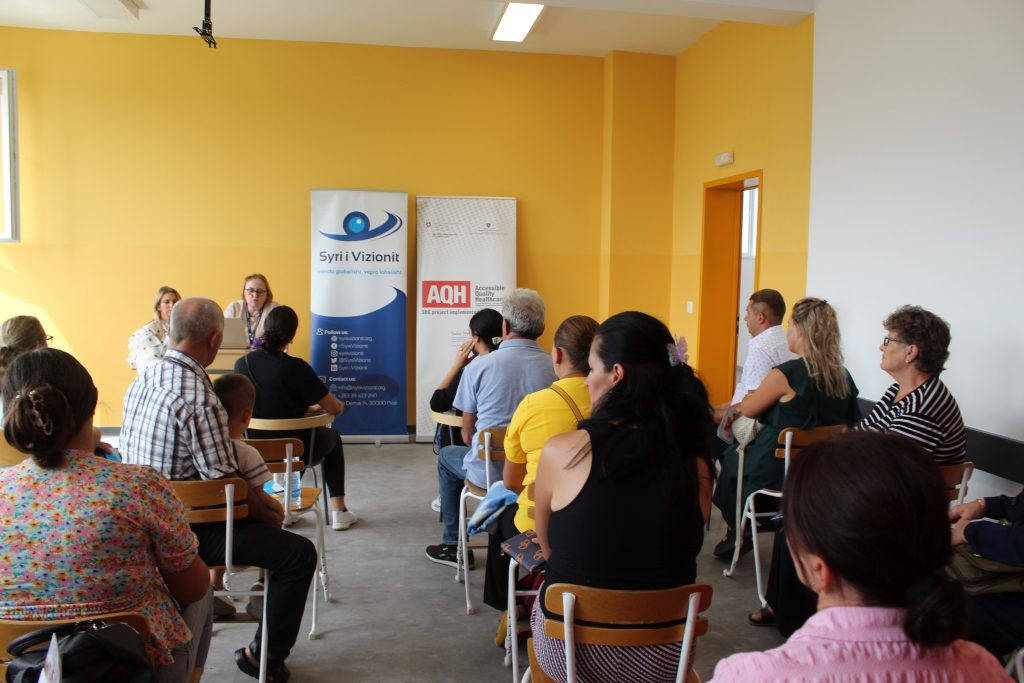
By combining medical expertise with direct community engagement, the awareness sessions helped build trust, encouraged participants to act early, manage their conditions, and empowered them to share what they learned with their families and communities.
The awareness-raising sessions were carried out by local organizations: Mundësia, Syri i Vizionit, KOPF, and Politeia, supporting ongoing efforts to strengthen early NCD detection, prevention, and self-management across Kosovo.