

“I can now better manage my health at home, without needing a companion or organizing transportation just to measure blood pressure or sugar,” explains Felona Feka, a participant from Mitrovica in the ‘Independence in Health for Blind People’ project.
Felona is one of 345 blind and visually impaired individuals who, together with their assistants, took part in a series of training that helped them gain the skills to independently monitor chronic diseases. The initiative, led by the Kosovo Association of the Blind with support from the Ministry of Health and the Accessible Quality Healthcare (AQH) Project, was carried out under the project “Independence in Health for Blind People” between April and June 2025.
Through adapted devices and practical training, participants learned to measure blood pressure, monitor glucose levels, and establish healthier routines. This strengthened both their ability to manage disease and their independence in daily life.
15 Trainings Across Kosovo
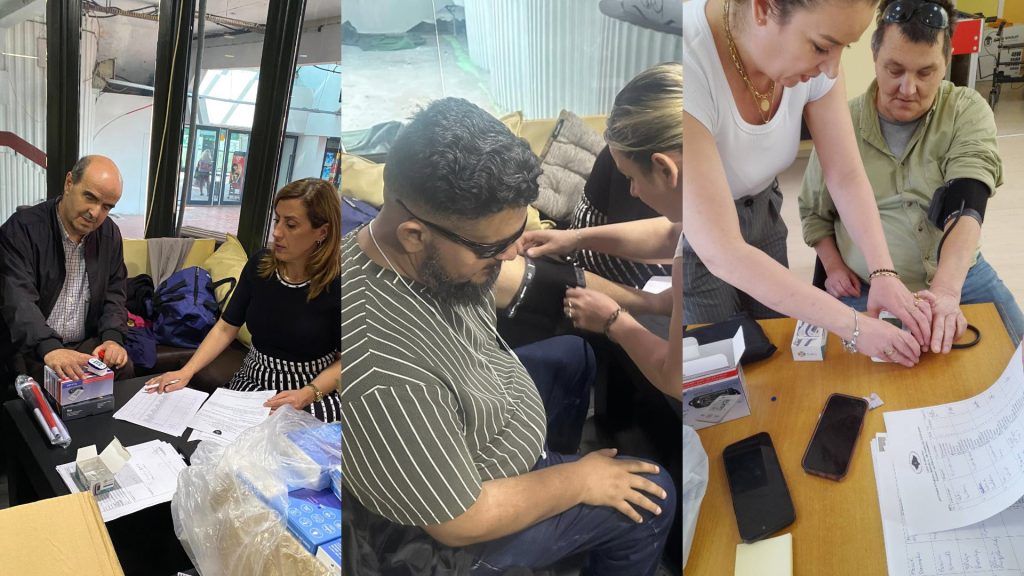
Between April and June 2025, 15 practical training sessions were organized across 14 municipalities of Kosovo, with two sessions taking place in Pristina. In total, around 345 people joined the program, 257 blind and visually impaired participants and 88 assistants and family members.
The training reached people from diverse backgrounds, including 166 women and girls and 178 men and boys, and represented multiple ethnic communities such as Roma, Ashkali, Turkish, Gorani, Bosniak, Croatian, and Serbian.
Better Management of Health
“This initiative is very important because it empowers blind and visually impaired people to have more control over their health and daily lives. Such trainings not only provide information, but also concrete practices that help build independence,” explained a representative of the Kosovo Association of the Blind.
For participants, the impact was immediate. “This training has helped me a lot because it offered practical knowledge and made it easier for me to take care of my own health,” notes Felona Feka from Mitrovica. “We also had the chance to use voice devices that make managing chronic diseases for us, as blind people, much easier, which is extremely useful,” added Behxhet Gashi from Pristina.
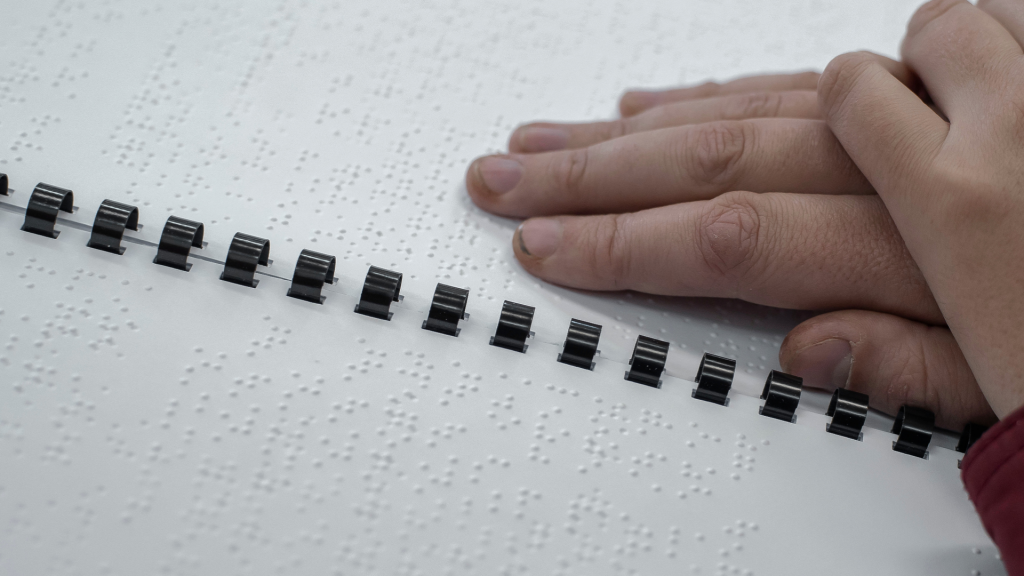
Across Kosovo, vulnerable groups continue to face barriers to equal healthcare, especially in access to infrastructure, tools, and information. To respond to this challenge, the AQH Project and the Ministry of Health are working toward creating a more equitable primary healthcare system. Through this cooperation, AQH helped develop disability-friendly infrastructure in Family Medicine Centers, provide tailored training on diabetes and hypertension for deaf, hard of hearing, blind, and visually impaired communities, and, for the first time in Kosovo, produced Braille leaflets explaining risk factors and treatments for non-communicable diseases (NCDs). These interventions equip marginalized groups with the tools they need to manage their health and access essential services on equal terms.
Moreover, the Kosovo Association of the Blind, through this project, not only raised awareness on healthy lifestyles and disease management but also provided participants with practical tools to apply those lessons.
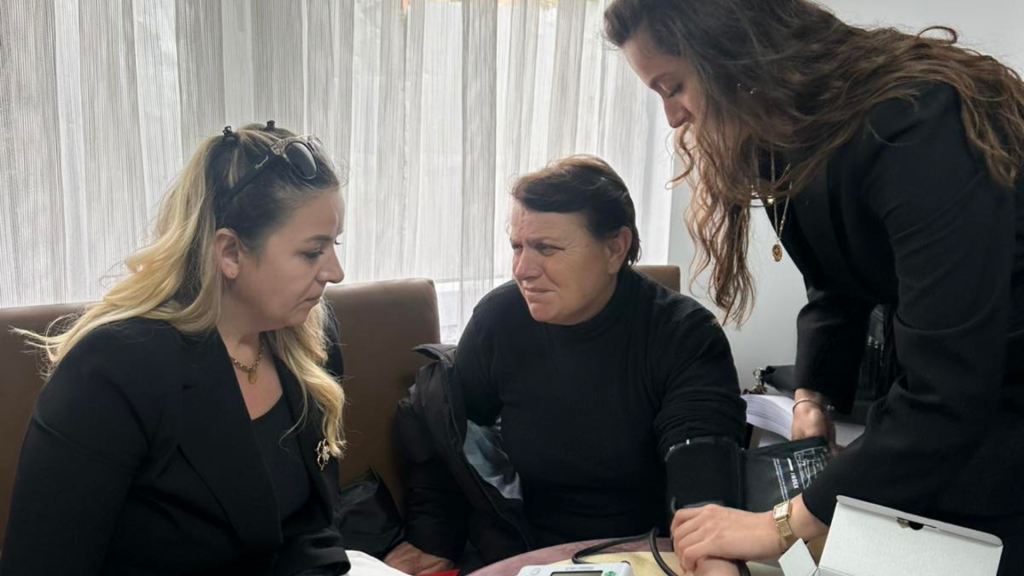
Independence is achieved when people have the skills and resources to care for themselves. Therefore, each training session was delivered in close collaboration with experts from the Kosovo Association of the Blind and supported by healthcare professionals, who guided participants on self-care and demonstrated how to use health monitoring instruments safely.
“The use of adapted technology, such as voice devices, allows these individuals to manage chronic diseases, such as diabetes or high blood pressure, themselves, without being dependent on others,” emphasized the Kosovo Association of the Blind.
Nurse Emine Prekaj Kuqi highlighted that adapted technology and practical training are among the most effective ways to improve health outcomes for blind people:
“The best practices for improving the health of blind people is special training and the use of devices with adapted access for them. During the training, each participant was ensured that the devices were functional and that health parameters were read accurately through voice, to guarantee safe and independent use,” she explained.
Doctor Arbona Gashi underscored the role of lifestyle habits in managing chronic diseases:
“It is very important for blind individuals to manage chronic diseases such as blood pressure, diabetes or others, through a healthy lifestyle that includes balanced nutrition and physical activity,” she noted.
By equipping blind and visually impaired individuals with concrete health skills, “Independence in Health for Blind People” project has strengthened both self-management of chronic diseases and inclusion in Kosovo’s healthcare system. More than a training program, it serves as a model for how targeted, inclusive initiatives can close healthcare gaps and ensure that no one is left behind.