


Sustainable change in healthcare systems emerges from the transition of what works into what lasts. Ensuring this continuity requires a systematic approach to coordination, integration, and ownership across all levels of the health system. In Kosovo, the On-Demand Mechanism, established in May 2024 as part of the Ministry of Health’s Working Group (formally Ad-Hoc Working Group), serves to ensure the sustainability of AQH Project interventions and coordinate scale up of those interventions.
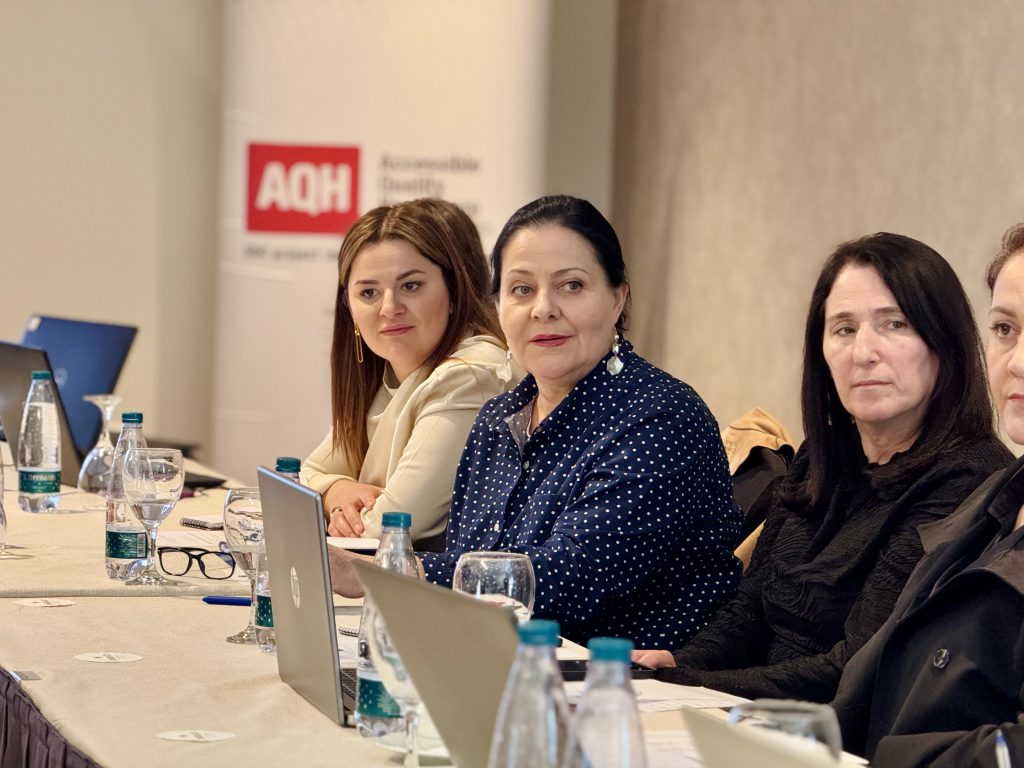
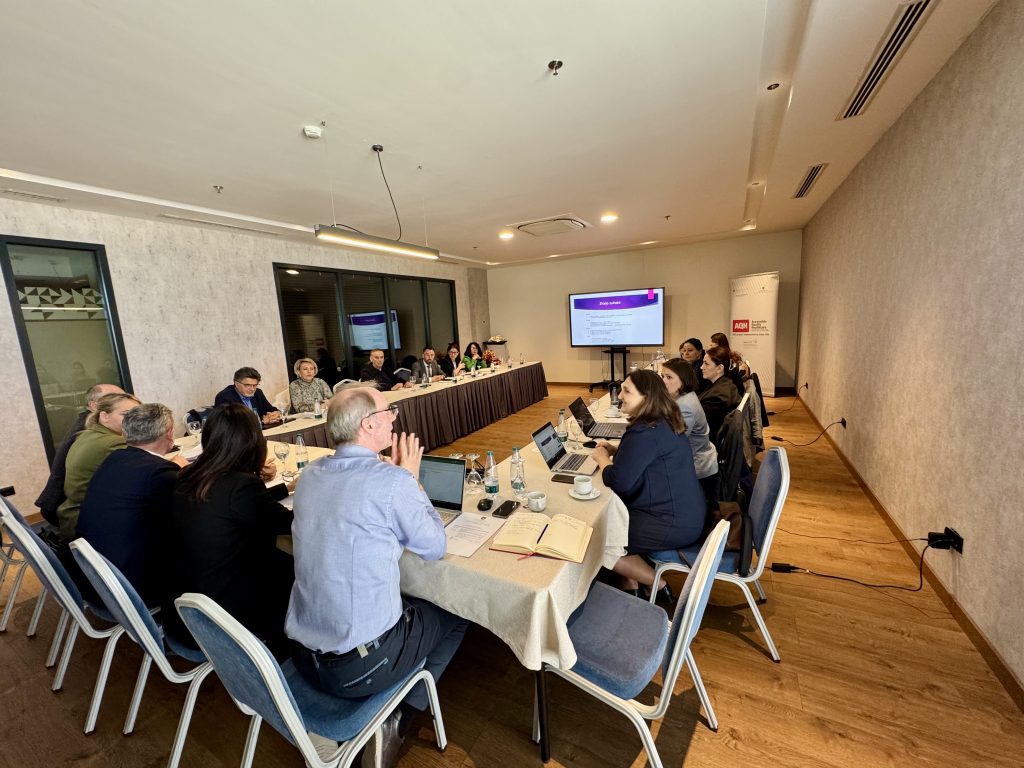
During the latest meeting on March 26, 2026, representatives from the Ministry of Health (MoH), the Swiss Agency for Development and Cooperation (SDC), and municipalities of Fushe Kosove, Skenderaj, Suhareka and Podujeva aligned on next steps to support the gradual integration of successful AQH interventions into national and municipal healthcare systems, as well as scale up of those interventions.
Discussions focused on key intervention areas, including the continuity and scale-up of Health Resource Centers (HRCs), officially known as Health Education and Promotion Rooms, with service costing presented to support Ministry of Health budgeting and facilitate replication. The role and formalization of Patient Councils (PC) were addressed. Moreover, stakeholders agreed to continue coordination through follow-up meetings to align support for municipal priorities, including medical equipment and quality management interventions.
Further discussions also highlighted the Ministry of Health’s ongoing efforts to design and implement a performance-based funding scheme for Primary Health Care (PHC), aimed at improving service quality, accountability, and efficiency across the system.
These discussions aim to support co-financing and full transition of interventions to national and local levels, while also strengthening the group to serve as platform for coordination between the municipalities and MoH for stronger PHC services that respond to citizens needs.
Shaban Osmanaj, Head of the Primary Health Care Division at the Ministry of Health and Chair of the group, emphasized the role of the mechanism moving forward, noting that as the AQH is on its last phase, the group should serve as a tool to share experiences and coordinate so the Ministry of Health can continue to support the project-introduced interventions.
Merita Stavileci, Senior Programme Officer at the Swiss Embassy, highlighted the importance of sustainability of interventions facilitated by AQH supported by SDC. “At this point of the project, sustainability is of utmost importance,” she noted, adding that the interventions are valued as they respond directly to citizens’ and patients’ needs, while acknowledging the commitment of municipalities and the Ministry of Health to ensure their continuation.
Kadrije Berisha, Director of the Department for Budget and Finance at the Ministry of Health and Deputy Chair of the working group, underlined the financial dimension adding that the working group is important to ensure that the Ministry of Health budget accommodates and includes proven good practices that improve quality of care and the health of citizens.
In this context, continued coordination and shared institutional commitment are key to ensuring the sustainability and scale-up of effective primary healthcare interventions. Such efforts will further strengthen services for noncommunicable diseases (NCDs) and contribute to lasting health improvements for citizens across Kosovo.