

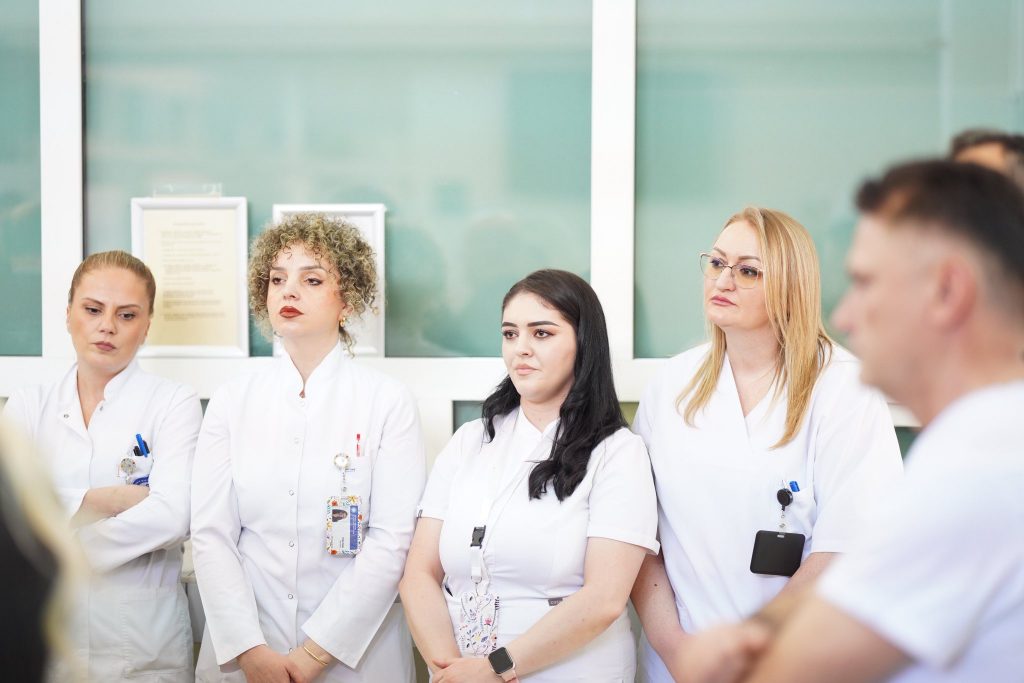
In health centers across Kosovo, women health professionals are playing a vital role in strengthening primary health care and supporting communities in preventing and managing Noncommunicable diseases (NCDs). From health education and early detection to counseling and patient support, their daily work helps people better understand their health risks and adopt healthier lifestyles.
For many health professionals, empowering patients with knowledge is one of the most important aspects of their work. Dr. Arieta Pula, a family medicine doctor, works closely with patients to help them understand their health risks and make healthier choices. Beyond her work at Main Family Medicine Center (MFMC), she often joins community outreach sessions, helping bring health education and prevention messages directly to people in their communities.
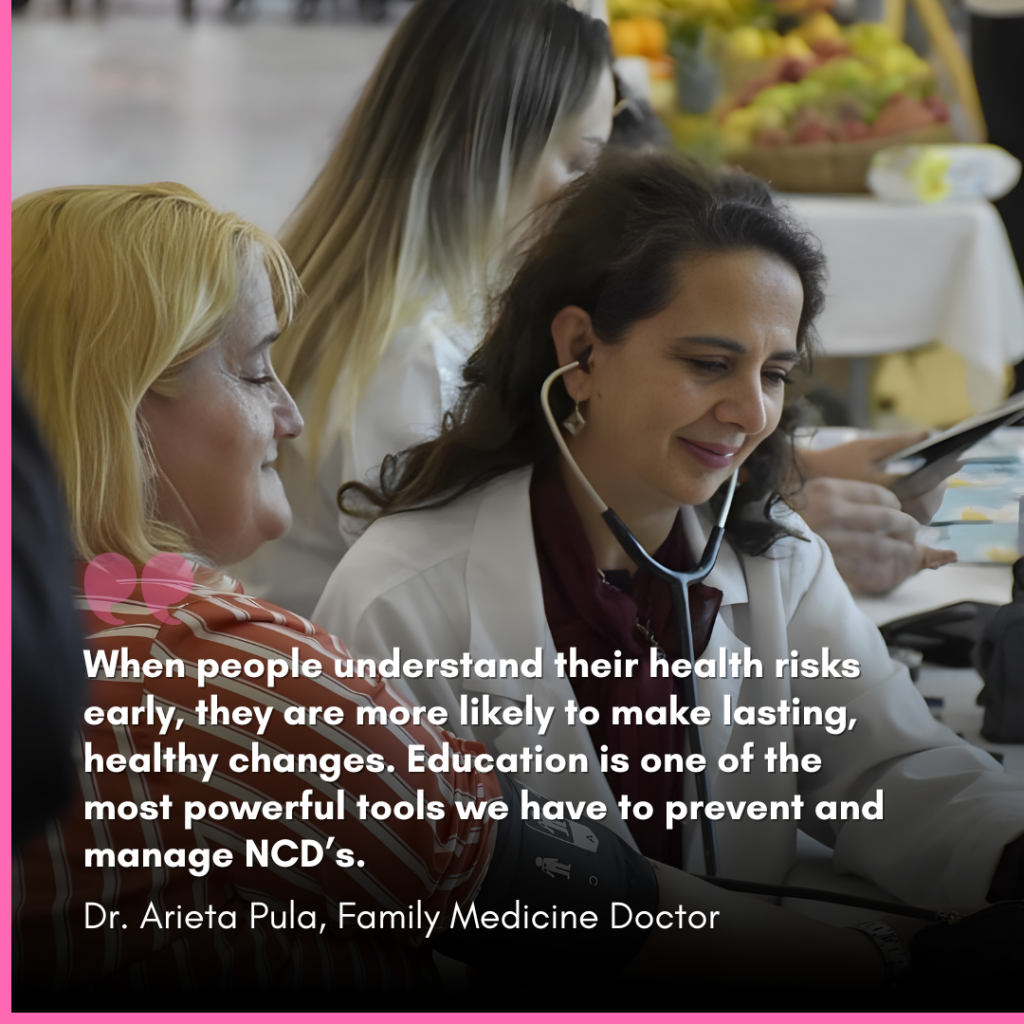
“When people understand their health risks early, they are more likely to make lasting, healthy changes. Education is one of the most powerful tools we have to prevent and manage NCDs,” explains Dr. Arieta Pula, Family Medicine Doctor, while attending targeted awareness sessions on NCDs with communities in Prishtina.
Noncommunicable diseases such as cardiovascular disease, diabetes, and hypertension remain among the leading health challenges. Prevention and early detection are essential.
Health Education and Promotion Rooms (HEPRs), which also serve as health resource centers, established within MFMCs and Family Medicine Centers (FMCs) play an important role in supporting this work by providing dedicated spaces where patients can receive counseling, monitor their health indicators, and learn how to better manage their conditions. Across 37 HEPRs, nurses are leading the way in supporting healthier communities.
“Since the start of motivational counselling services, positive changes in knowledge have been observed. Patients are more aware of risk factors, more interested in self-management, and many have even started to change their lifestyle through diet, physical activity, and regular check-ups,” adds Besiana Gashi, HEPR nurse at MFMC Klinë.
For patients, this support can make a meaningful difference in everyday life. Access to guidance, monitoring, and health education allows many individuals to better manage their health independently.
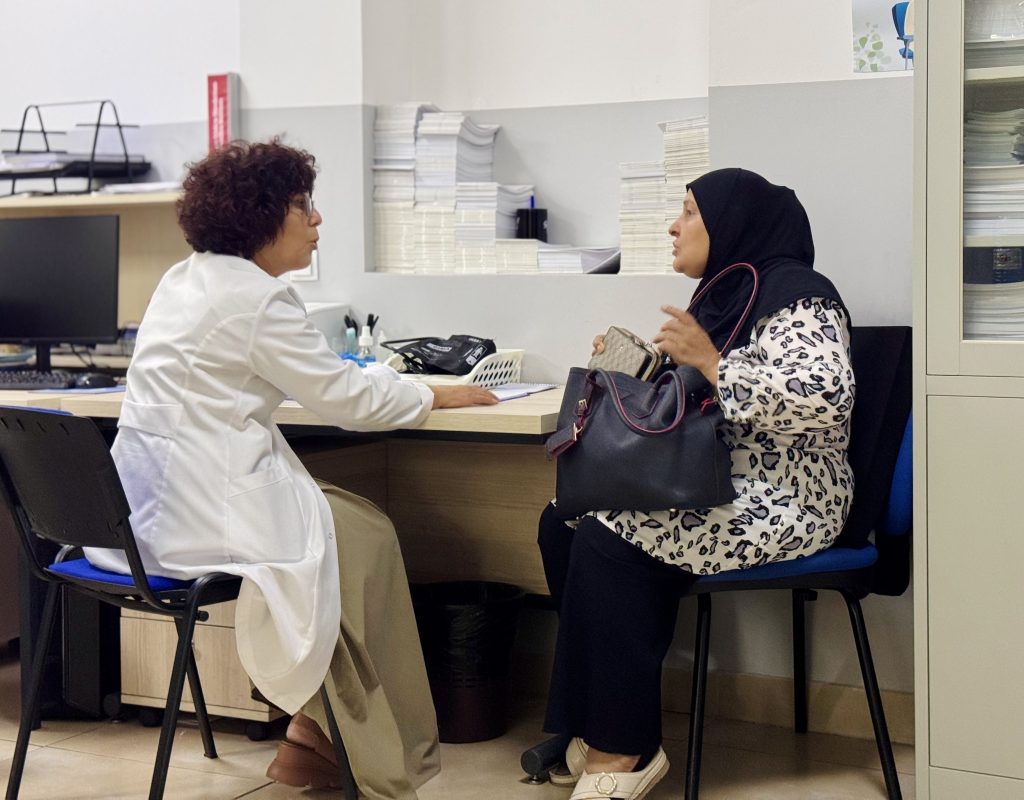
“It’s good here, they welcome us warmly and treat us well. They first check our blood pressure and sugar level, and over time we get to know each other. It makes you feel happier and better cared. I come often whenever I have to monitor my condition” noted Ramije Miftari, 59, from the Roma community.
According to WHO, women continue to face often-overlooked health challenges shaped by biological, social, economic, cultural, commercial, and environmental factors, putting their health and well-being at risk. By addressing these challenges and supporting women in managing their health, health workers help patients understand their risks, adopt healthier behaviors, and monitor their conditions, contributing significantly to reducing the burden of NCDs and improving quality of life.
On International Women’s Day, we celebrate the dedication and impact of women health professionals who are shaping healthier communities every day. As they make up 78% of the health workforce in the WHO European Region, it is also vital to ensure their voices are included in decisions that shape health systems.