

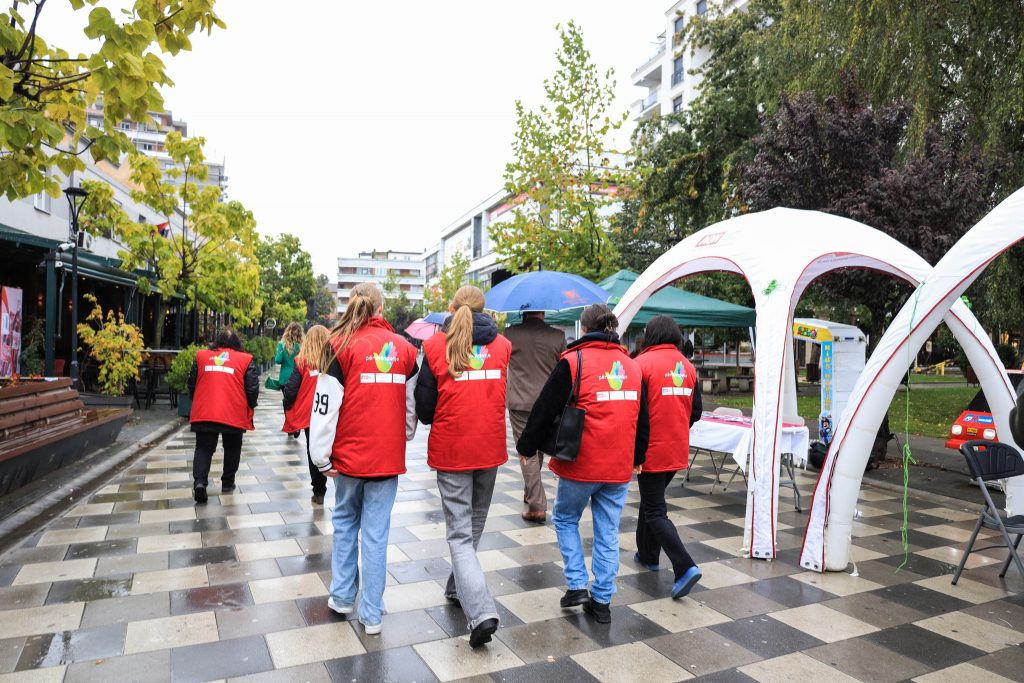
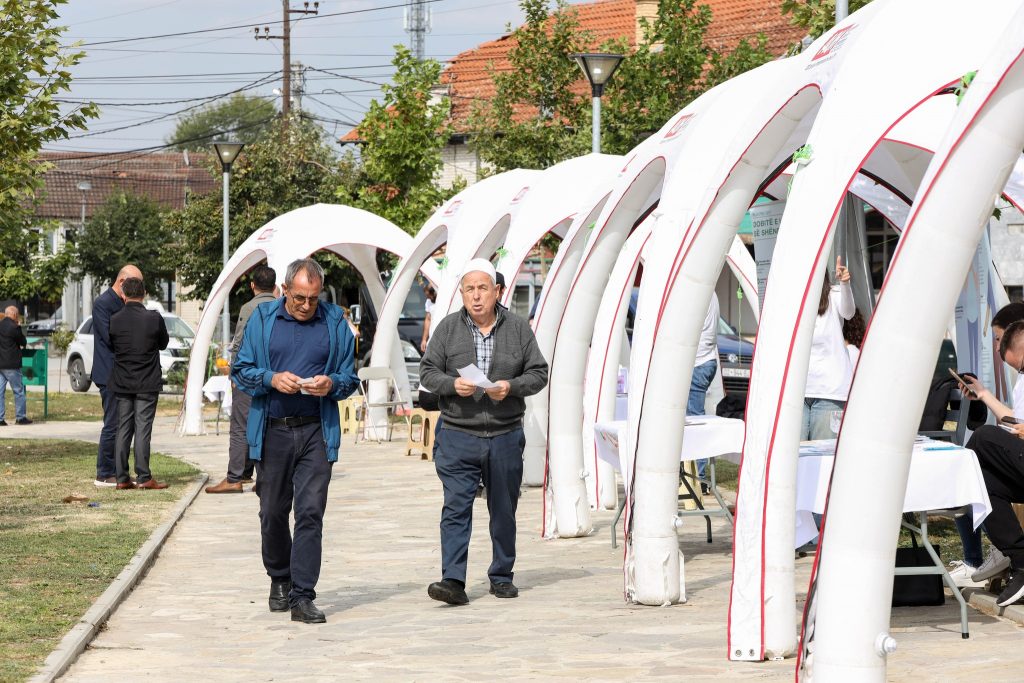
After months on the road, the Health Caravan “ përSHËNDETje” arrived in Prizren on a rainy day in November, marking the final stop of its nationwide journey for 2025. Set up in the city center, a row of tables served as information points, while volunteers guided citizens through the caravan for basic health screenings and information on healthy lifestyles and non-communicable diseases (NCDs).
Since September, the Health Caravan traveled across 26 municipalities in Kosovo, reaching city centers, villages and even shopping malls, with the aim of bringing health promotion and preventive care closer to communities in accessible and familiar spaces.
At each stop, citizens were invited to speak directly with healthcare professionals, receive basic medical consultations and health measurements, including weight, blood pressure and glucose level checks, and learn more about healthier lifestyles.
At the same time, these activities helped identify NCD risk factors and previously undiagnosed cases.
Throughout the journey, volunteers and partner organizations addressed some of the most common health risks in Kosovo, including unhealthy diets, tobacco use, alcohol consumption and physical inactivity, encouraging practical steps toward better long-term health.
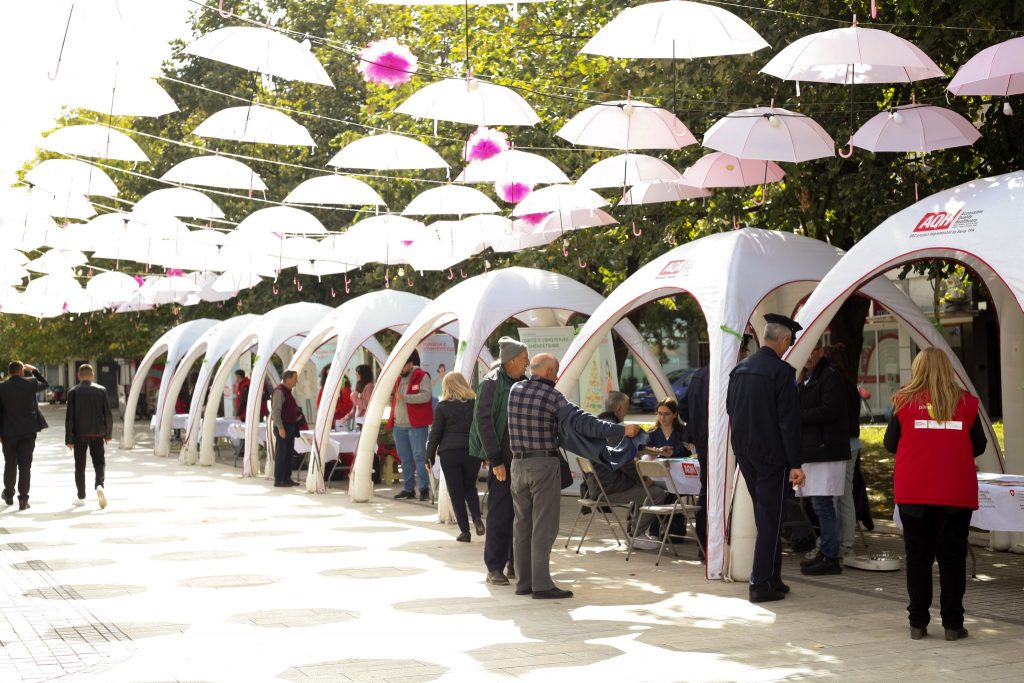
In 2025, the caravan marked its seventh year of operation. During this year alone, more than 4,000 people were reached, and screenings led to the identification of 176 new cases of non-communicable diseases.
“The caravan made it easier for me to take action regarding my health, which I had been neglecting” noted a caravan participant.
Health professionals involved noted that those “in-need” participants chose to seek further medical examinations after receiving advice during the Caravan.
“Following the screenings, some participants sought medical check-ups without delay, and they expressed their appreciation for the initiative, explaining that there had been moments when they did not feel well but, due to lack of time or personal neglect, had not consulted a doctor earlier.
Participants identified with hypertension were advised to seek immediate medical follow-up, while those identified with diabetes were recommended to undergo regular monitoring and report to their Primary Health Care institutions for further evaluation and management.
Connecting communities with health institutions
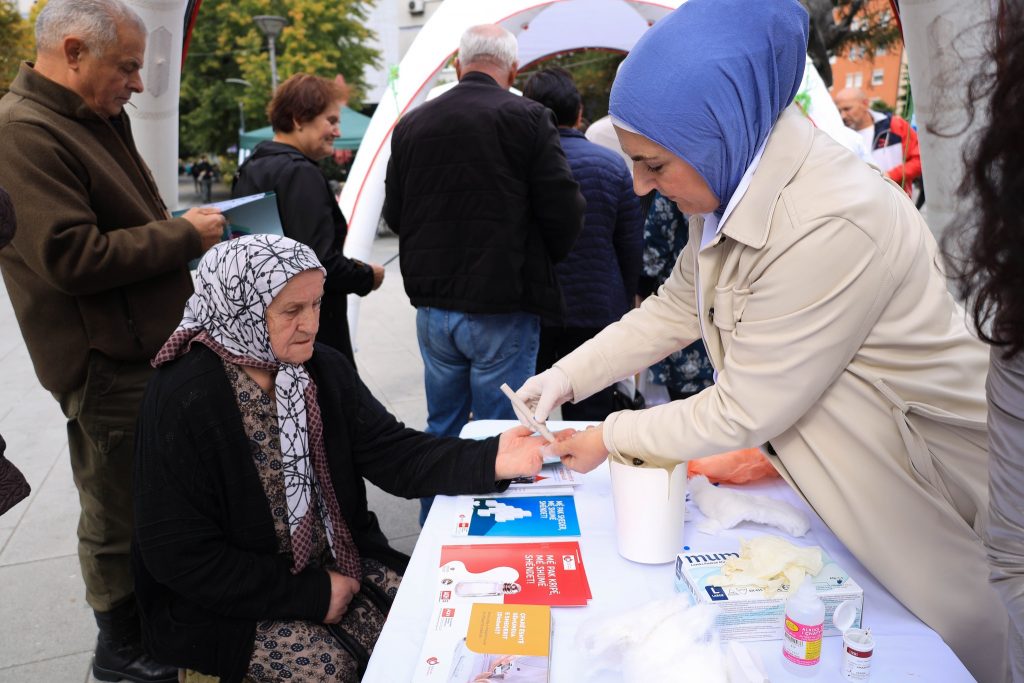
Beyond screenings, the Health Caravan helps build trust and familiarity between citizens and health institutions by allowing people to ask questions, receive advice, and interact with healthcare professionals in a non-formal setting.
“We consider the health caravans very important because they connect institutions with citizens,” said a nurse at QKMF Obiliq, present at the Caravan. Preventing and early detection is the utmost important step in managing NCDs.
Thus, the Caravan is a ‘helping hand’ in detection and education. “For us, prevention and early detection are critical,” said a doctor in Prizren during the final stop.
“When diabetes is discovered too late, the consequences can be severe, including amputations. Early intervention makes an enormous difference.”
Learning Beyond the Classroom
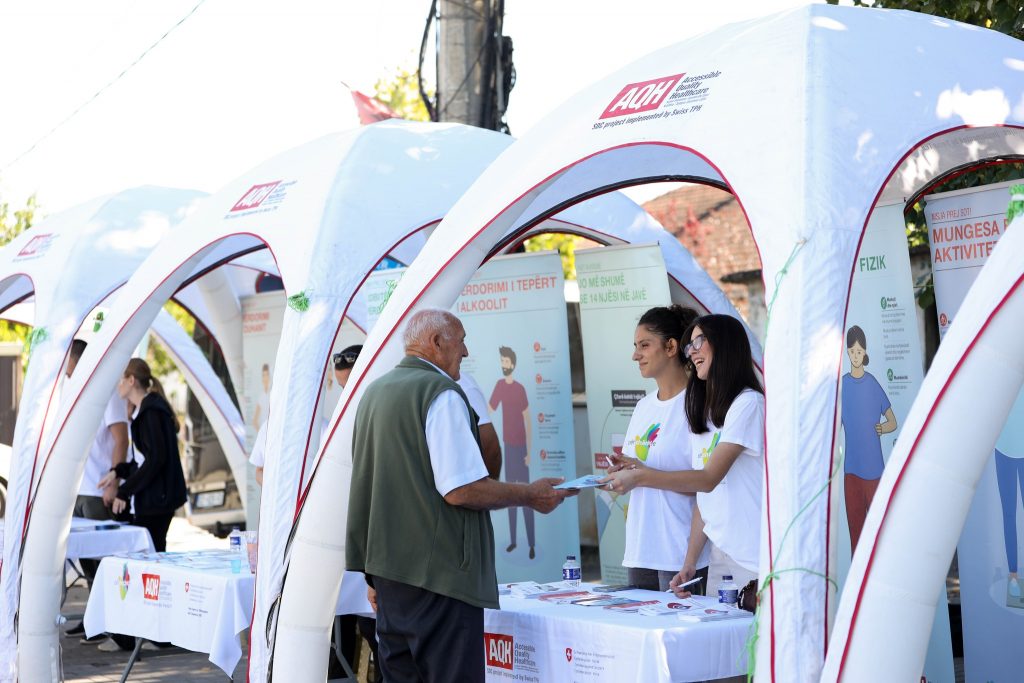
More than 60 medical and nursing students joined as volunteers in the 2025 campaign of the Caravans, giving them hands-on experience in health education, promotion, and community outreach, as well as, helping them learn how to guide and empower citizens toward healthier choices.
“It was a pleasure to support people in focusing on physical activity, quitting smoking, avoiding alcohol, and attending regular check-ups,” said Artesa, a nursing student.
For Albrim, a general medicine student, the experience was equally meaningful.
“Participating in activities like this is an invaluable opportunity for me as a student, not only to build practical communication skills with people, but also to learn from the activities we carry out. Every experience gives me a new perspective I would not have gained otherwise, which is why volunteering in the caravan is so important.”
Strengthening Local Ownership
Introduced by the Accessible Quality Healthcare (AQH) project, the Health Caravan is now implemented by three local organizations: Mundësia, Syri i Vizionit and KOPF, with continued technical support from AQH.
Over the years, the project has built up knowledge and skills in planning, coordination, community outreach and partnership management, all of which have now been passed on to the local organizations running the caravan.
According to implementing partners, the caravans have strengthened collaboration with municipal authorities and local health institutions, while increasing trust within communities.
“These caravans not only raise awareness about health issues among the population but also increase the visibility and credibility of our organization. They help the organization build stronger relationships with local partners, demonstrate its commitment to community well-being, and create trust among citizens,” noted Klementina Kelmendi, from Syri i Vizionit, one of the organizations implementing the Health Caravan in the Dukagjini region.
KOPF, another implementing organization, also notes that the caravans reinforce the role of NGO in public health promotion.
“As an organization, we see health caravans as highly effective in reaching communities directly and providing services where the need is greatest,” noted KOPF.
“They support early detection, strengthen preventive healthcare, increase trust in health services, and reinforce the role of civil society in public health promotion.”
As AQH enters its final phase, the project is conducting costing analyses of the Health Caravan model to support a smoother and more sustainable transition to local and or national intiutions.
The Health Caravan “përSHËNDETje” is contributing to raising awareness and educating citizens, to strengthening links between communities and healthcare institutions, supporting municipal engagement in health education and promotion, and contributing to the learning of future health professionals.