


Non-communicable diseases (NCDs) such as hypertension, diabetes, cardiovascular illnesses, and asthma remain among the leading causes of death in Kosovo. Tackling this burden requires that treatment is paired with education, awareness, and active patient engagement. To respond to this identified need, in 2018, the AQH Project introduced, for the first time in Kosovo, specialized counselling services for chronic patients. Nowadays, these services are provided within the Health Education and Promotion Rooms (HEPRs) established within the Main Family Medicine Centers (MFMCs), which also serve as health resource centers.
As one elderly participant put it during a group physical activity: “Everyone knows themselves best, so you also have to be your own doctor.” This message captures the essence of HEPRs role in empowering patients to understand, prevent, and manage chronic conditions themselves.
HEPRs have already been functionalized in 28 municipalities across Kosovo. By equipping patients with knowledge and skills to manage their health, the rooms improve NCD care and help strengthen a healthcare system where patients are partners, not just recipients.
A Space to Be Heard and Supported
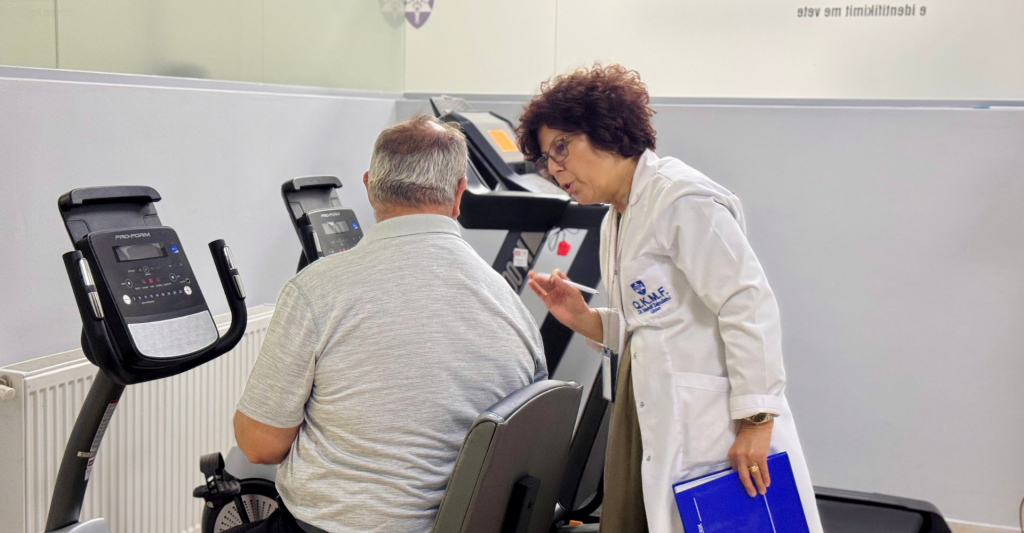
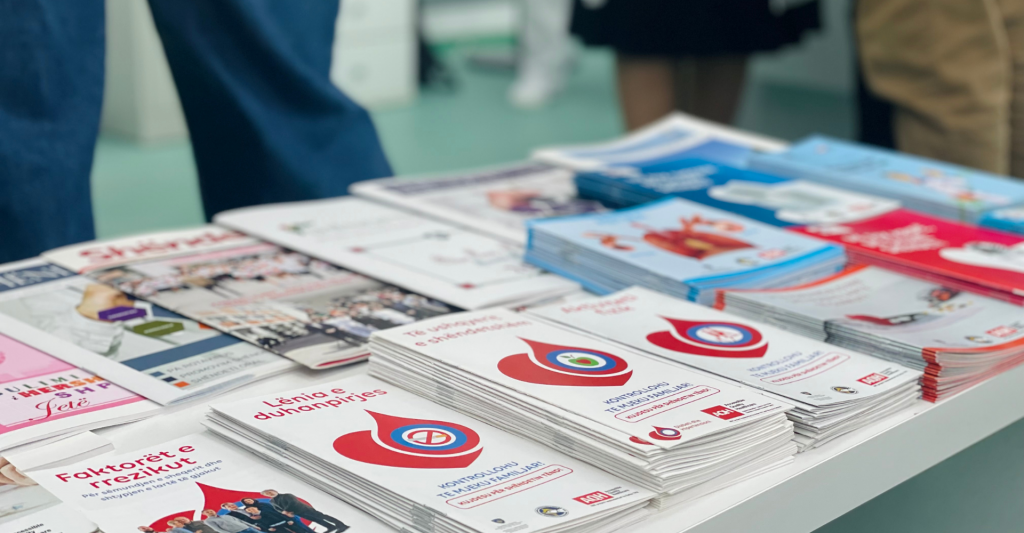
The HEPRs provide citizens with the right setting where they are heard, supported, and motivated, while making health information accessible to everyone.
“Patients have welcomed the room very positively. They often emphasize that this form of communication is more valuable than any leaflet, because it gives them the opportunity to ask questions and get answers immediately. The friendly and supportive atmosphere creates a sense of community where people share challenges and find motivation in one another,” explains Besiana Gashi, HEPR nurse at MFMC Klinë.
The impact is significant. Between January and June 2025 alone, 16,274 visits were recorded across Kosovo’s HEPRs.
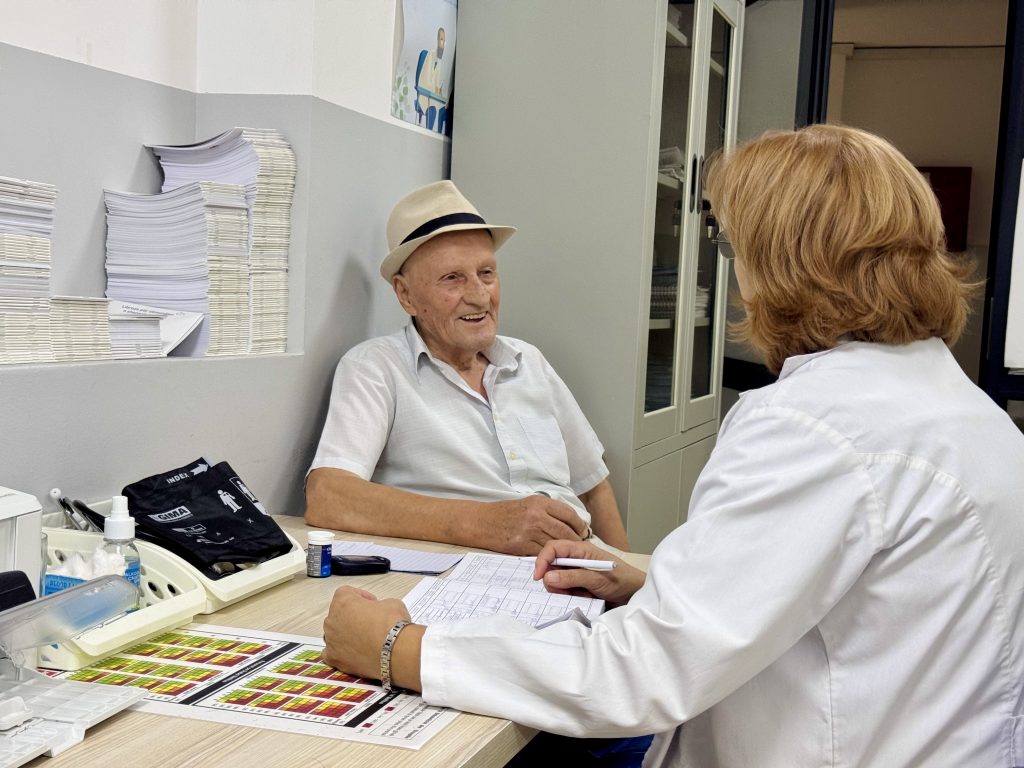
One of those visitors is Emin Gashi, 86, from Lipjan, who has been living with diabetes for years. He visits the HEPR at MFMC Lipjan to check his condition, compare it with self-observations, and consult nurses. “The counselling they give is very helpful, we must follow it. It has helped me a lot in managing my diet, exercise, and everything else. Without exercise or a proper diet, it’s very difficult,” he says.
His nurse, Florije Budakova, confirms the progress: “There are patients who manage their conditions very well. In many cases, we have succeeded in managing them so effectively that, like in the case of Mr. Gashi, who has reduced his insulin dose with the advice we offered them.”
This trust, she adds, grows through regular monitoring and contact with healthcare providers, making people more likely to rely on them than on the internet or pamphlets.
“Since the start of motivational counselling services, positive changes in knowledge have been observed. Patients are more aware of risk factors, more interested in self-management, and many have even started to change their lifestyle through diet, physical activity, and regular check-ups,” adds nurse Gashi.
Building Trust in Vulnerable Communities
HEPRs have proven equally supportive for vulnerable groups too. Ramije Miftari, 59, from the Roma community, regularly frequents Lipjan’s HEPR, following the individual plan designed together with the nurse.
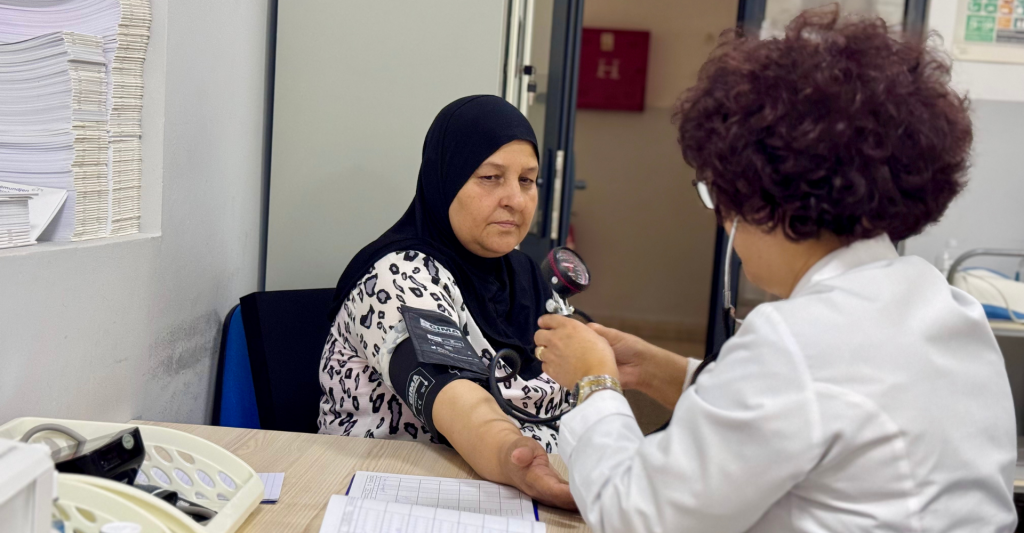
“It’s good here, they welcome us warmly and treat us well. They first check our blood pressure and sugar level, and over time we get to know each other. It makes you feel happier and better cared. I come often whenever I have to monitor my condition.”
Living with diabetes, high blood pressure, and cholesterol, she emphasizes that the kindness of staff makes the interaction meaningful.
To further support patients, HEPRs provide tools such as patients passports to track blood pressure and sugar levels between the visits. Nurses monitor patients via phone calls too, ensuring they attend appointments. These simple but effective practices deepen trust and accountability.
Scaling Up Across Kosovo Municipalities
The AQH project has partnered with national institutions and local-level bodies to build capacities, strengthen infrastructure, and raise awareness about NCDs. As the project enters its final phase, some of its most successful interventions, such as HEPRs, are being taken over by local partners and scaling up to other municipalities.
The scale-up is driven by an On-Demand approach, expanding interventions upon municipal request and readiness. AQH initially established 20 HEPRs in cooperation with municipalities. This endeavour was coordinated by the Ministry of Health. Since 2024, 8 more municipalities have functionalized their own health resource centres through this mechanism. Earlier this year, Prishtina, the capital, became the latest municipality to inaugurate its first HEPR.
“This room is not just a physical area, it is a center of knowledge, encouragement, and support for every individual who wants to improve their life,” said Dr. Izet Sadiku, Director of the Health Directorate, during the inauguration. Meanwhile, Prishtina MFMC plans to expand these services to their network of Family Medicine Centers by investing in infrastructure and professional development to bring services closer to the community.
HEPRs is one of AQH’s most sustainable interventions. In cooperation with municipalities and the Ministry of Health, there are currently 37 active HEPRs, expanding beyond MFMCs into Family Medicine Centers (FMCs) in villages, bringing services closer to citizens.
In Lipjan, the first AQH demonstration site, the model has already extended to Gadime village. “It is very important to establish these services in FMCs as well, as some villages are far from the city and might not have access to such services. This brings care as close as possible to patients,” says Zejnije Shala, nurse at MFMC Lipjan.
Strengthening Management of NCDs in Primary Healthcare
To further strengthen sustainability, AQH facilitates knowledge-sharing between municipalities.
In June and July 2025 alone, 5 exchange visits were held, where professionals from more than 12 municipalities observed the HEPR model in action. Demonstration sites in Lipjan and Gjakova showcased both MFMC-based and village-based models, inspiring similar initiatives elsewhere.
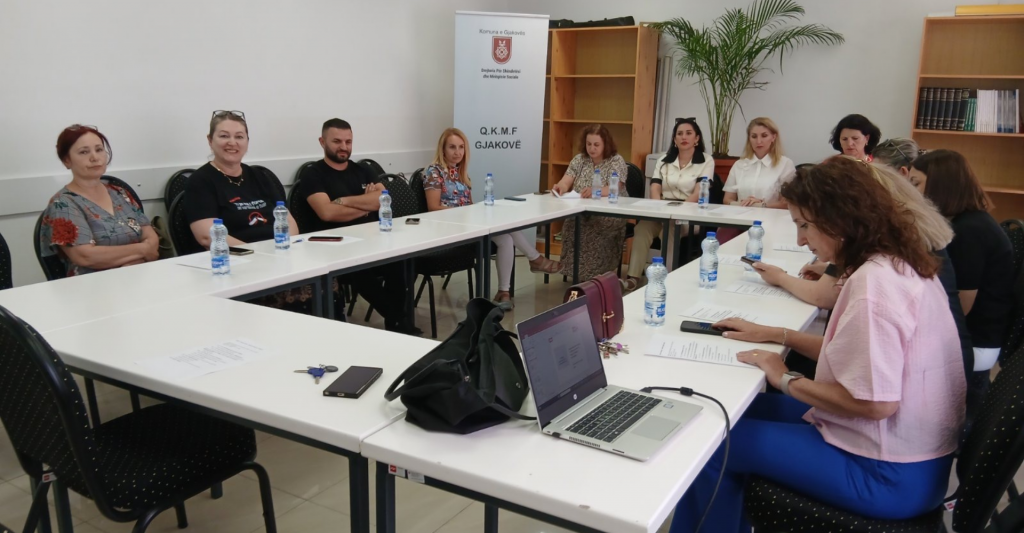
“These visits are very important for us as a demonstration site,” said Dr. Violeta Xerxa Thaqi from Gjakova MFMC. “We were able to show our progress and how we involve patients in managing their conditions, while also gaining new ideas from colleagues.”
The visits created space for open discussions about what works, what doesn’t, and how different municipalities are navigating similar challenges.
Dr. Rushiti Ismaili from MFMC in Prishtina stressed the value of seeing things firsthand. “We read reports, of course,” he said, “but in this dynamic time where everything is happening at once, it’s hard to really absorb the details. It’s a completely different feeling when you actually visit a center, see how things are set up, compare with your own facility, and speak directly with the people behind the work.” He added that even when opinions differ, these exchanges help professionals understand how others are solving similar challenges.
Florije Budakova, nurse at HEPR MFMC Lipjan, adds that they are constantly in contact with other municipalities to address questions on the functionality of the room. These collaborations showcase the dedication of AQH’s demonstration sites to share knowledge and of other municipalities to strengthen PHC services.
Aside from the exchange visits, knowledge-sharing activities take place in other hubs and platforms as well such as in the Collegium of Municipal Directorates of Health and Social Welfare (CDHSW) and Family Medicine Conferences.
Building Local Capacities to Tackle NCDs
The rooms could not function without trained staff. From the outset, AQH introduced Motivational Counseling training, initially led by international experts and later scaled through a Training of Trainers model. This training built nurses’ skills to communicate effectively with patients, empowering them to support behavior change.
In 2024, motivational counseling was integrated into the Nursing Faculty curriculum, ensuring future generations of nurses are equipped to guide patients. “This integration will empower our nursing students with essential counseling techniques, enabling them to provide even better support to patients managing chronic diseases,” said Elvana Podvorica, Head of the Nursing Department.
For nurses like Nora Namani, that works in HEPR in Fushe Kosova, the training has been crucial: “As HEPRs, we function based on the knowledge gained from this training, which has been very good and significant for us as medical staff.”
Moreover, trained as trainers, nurses who attended this program were able to train other colleagues, nurse Shala notes.
Extending Care Beyond the Facility
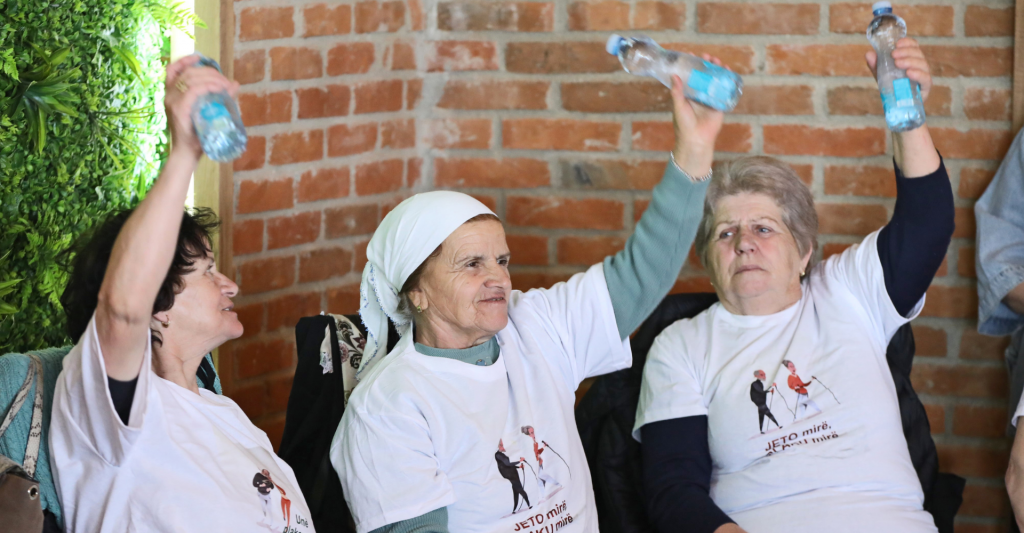
In addition to daily consultations, HEPR staff also organize activities beyond the walls. These include outdoor physical activity sessions and information sessions on healthy living with the support of public health specialists from the National Institute for Public Health.
Outdoor walks, exercises, and awareness events blend health education with social interaction, helping citizens adopt sustainable habits. Nurse Shala explains that patients who manage their NCDs more effectively often influence their peers by sharing their experiences and routines.
“We even had outdoor walks where patients not only learned from us but also from each other. Some participants told us that since that day, they now exercise every morning,” recalls nurse Shala.
These small but lasting changes show that HEPRs have gone beyond service to becoming part of the process toward healthier communities.
Sustaining Change
After a decade of work in Kosovo, AQH is in its final phase, focusing on scaling up proven interventions and handing them over to local authorities. Among these, HEPRs stand out as a sustainable, community-centred model that empowers patients to take charge of their health.
By investing in education, trust, and motivation, HEPRs prove that tackling NCDs requires more than medicine, it requires a healthcare system where patients are equal partners in care.